.jpg)
NSF-supported initiative brings Sandia National Laboratories’ quantum educator program to one of 20 selected U.S. communities
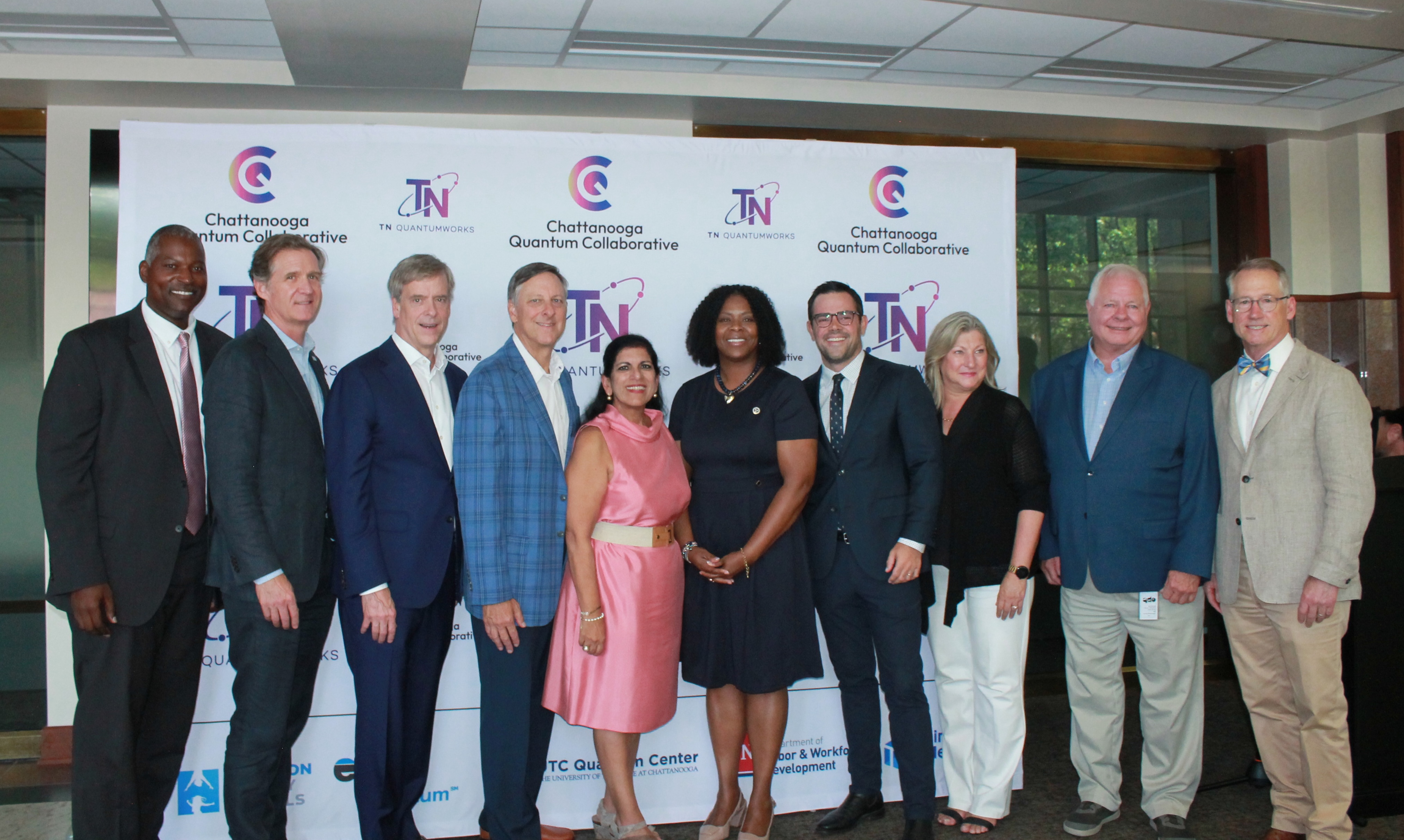
Chattanooga, Tenn (March 6, 2026) — Chattanooga/Hamilton County has been selected as one of just 20 communities nationwide to host a 2026 cohort of the Quantum, Computing, Mathematics, and Physics Camp (QCaMP), a professional learning program developed by scientists from Sandia National Laboratories and Lawrence Berkeley National Lab and delivered in partnership with local institutions.
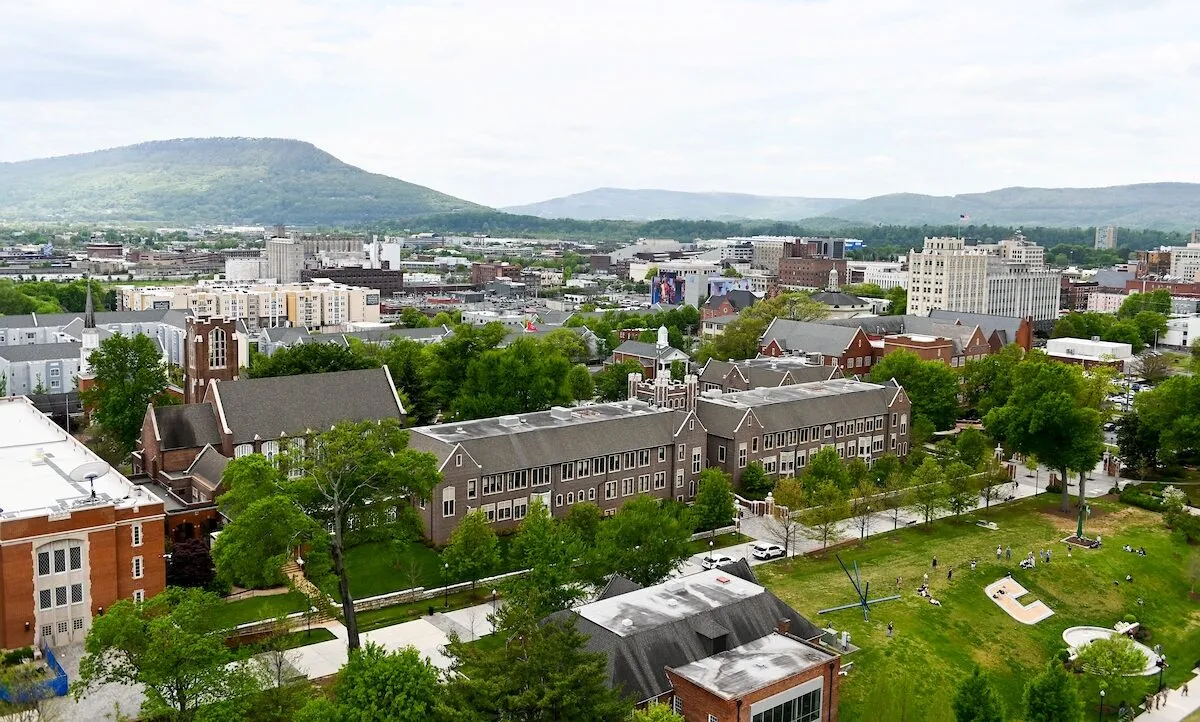
The one-week program (June 22–26, 2026) will bring regional educators together at the University of Tennessee at Chattanooga (UTC) to build foundational understanding of quantum science and explore classroom-ready connections to math, science, and problem-solving.
.jpg)
Instruction will be delivered virtually by Sandia researchers and instructors, with local facilitation and coordination through UTC and regional partners. The cohort is supported through a National Science Foundation–funded initiative led by the University of Tennessee at Chattanooga in collaboration with EPB, CO.LAB, and the Chattanooga Quantum Collaborative (CQC). Participating educators will receive a $500 stipend for completing the course and an additional $500 if they choose to implement related learning in their classrooms.
“Educators are already doing demanding work every day,” said Chattanooga Quantum Collaborative’s Danna Bailey. “Our hope is that QCaMP will be a tool that, instead of adding to their workload, supports educators by creating space to explore emerging ideas and build confidence.”
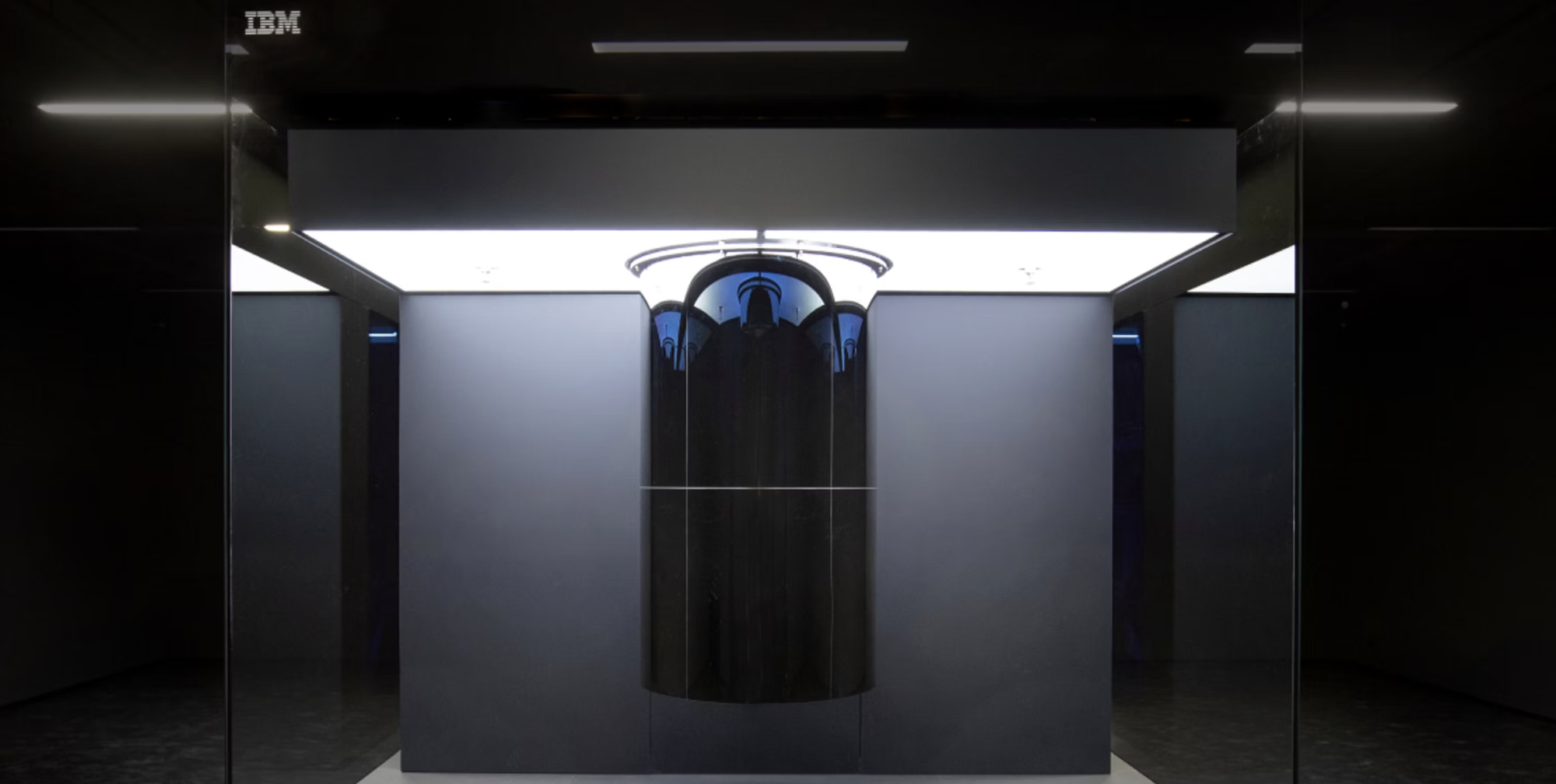
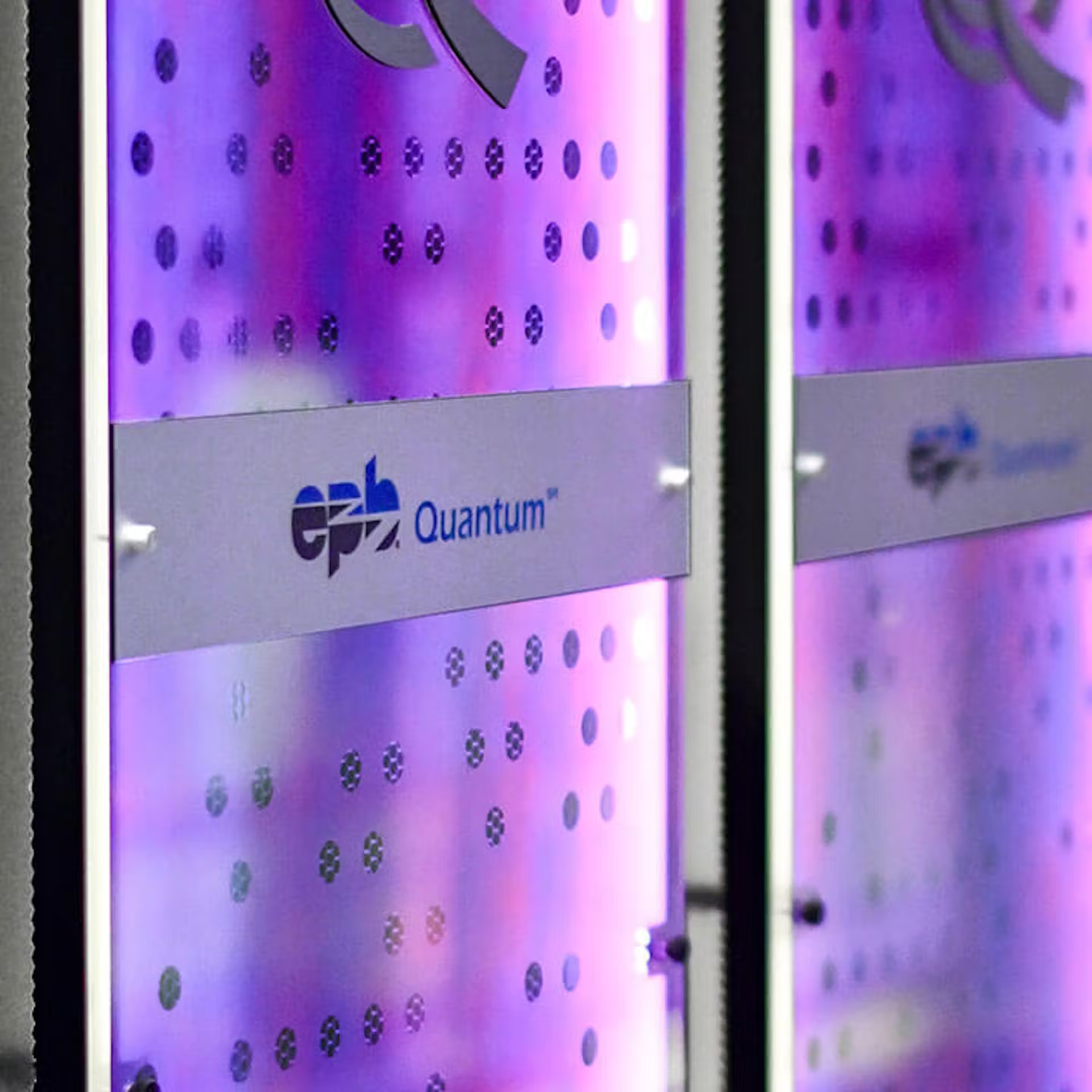
Chattanooga/Hamilton County’s selection reflects the community’s expanding role in quantum research and innovation, including EPB’s quantum network, quantum computer coming online this spring, and partnerships with higher education and national research institutions.
“This is a meaningful professional learning opportunity for our educators,” said Dr. Blake Freeman, Chief Academic Officer for Hamilton County Department of Education. “It creates space for teachers to explore new ideas together and consider how those ideas may shape the opportunities available to our students in the years ahead.”
The initiative reflects coordination across K–12 and higher education partners committed to strengthening the region’s talent pipeline.
“Programs like this help connect cutting-edge research with classroom learning,” UTC Chancellor Lori Bruce said. “UTC is excited to lead this NSF-supported work with our Chattanooga partners, including EPB, CO.LAB, and CQC. We are helping bring quantum concepts into K–12 education and building pathways that prepare students for the emerging technology workforce.”
Applications are open through April 10, and space is limited. Educators from across the region, including classroom teachers, instructional coaches, and school leaders, are encouraged to express interest.
More information and the interest form can be found at: https://www.sandia.gov/quantum/qcamp/