

Quantum Connect Q4 2025
A Year of Acceleration and What’s Ahead
As we wrap up 2025, I keep finding myself thinking about how fast things have moved this year, and, frankly, how many people have had a hand in making that happen. Every time we turned around, another piece of Tennessee’s quantum ecosystem clicked into place. A testbed concept got sharper. A research partnership took another step. Someone launched a workforce concept that, six months ago, wasn’t even on the table.
And then, of course, the EPB–Vanderbilt announcement hit the news last week. That added a whole new layer to a landscape that was already shifting quickly. If nothing else, it reminds us that emerging technology rarely follows a neat roadmap.
As we head into the holidays, I’m grateful for everyone who leaned in during a year full of starts, surprises, and steady progress. Whether you were building curriculum, wiring infrastructure, shaping policy, running a lab, or just asking good questions, it was meaningful.
Here’s to catching our breath for a moment, and to whatever 2026 has in store. My guess: more momentum, and probably a few curveballs too.
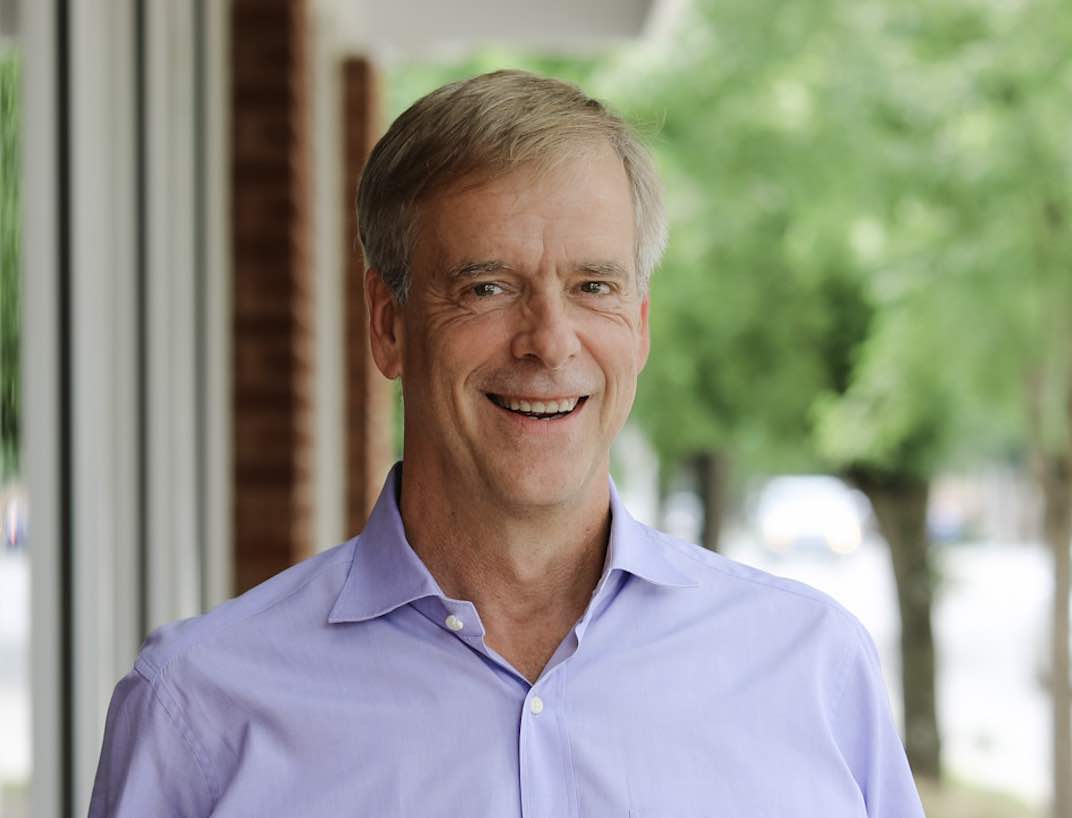
Charlie Brock
CEO, Chattanooga Quantum Collaborative
EPB and Vanderbilt Announce the Institute for Quantum Innovation
A powerful new anchor strengthens Tennessee’s statewide quantum ecosystem.

One of the biggest announcements of the year came in December, when EPB and Vanderbilt announced the Institute for Quantum Innovation focused on accelerating discoveries in quantum science and translating them into real-world solutions. The Institute is designed to push advancements in areas like energy, national security, health, insurance, logistics, and other sectors that matter to Tennessee’s economy.
What makes this especially interesting is the pairing: Vanderbilt’s strengths in quantum nanophotonics and advanced research now have collaborative access to the EPB Quantum Center℠, still the only facility in the country where a trapped-ion quantum computer will run alongside a photonics-based local quantum network. It’s a rare combination, and it gives researchers and students a hands-on environment that most universities simply don’t have.
Vanderbilt is also planning new graduate-level offerings and industry-aligned training to help meet the growing demand for talent in quantum, AI, cybersecurity, and related fields. Some of those programs will take time to formalize as accreditation always moves on its own clock. But the direction is clear: Tennessee is building a deeper bench.
And the beauty of this is that it amplifies the foundational work already underway in Chattanooga. UTC and EPB continue to co-lead the NSF-supported QuantumGrid testbed planning, with CQC and CO.LAB building the innovation and workforce pipelines around it. ORNL, TVA, and other partners remain deeply involved.
Vanderbilt’s arrival adds an important piece. Tennessee’s ecosystem didn’t get bigger in one direction — it expanded outward, which is where real statewide momentum comes from.
Chattanooga now home to hybrid computing at EPB Quantum Center℠
EPB Quantum℠, Oak Ridge National Laboratory, IonQ, and NVIDIA are are teaming up to use hybrid computing to solve real-world opportunities.
At the Quantum World Congress in Washington, D.C., EPB Quantum announced that it enhanced its quantum technology resources by adding hybrid computing capabilities. Chattanooga’s EPB Quantum Center is already home to America's first commercially available quantum network and lonQ's Forte Enterprise Quantum Computer scheduled for commissioning in early 2026.
Through an agreement with Oak Ridge National Laboratory, an NVIDIA DGX high-performance computing system has been installed at the EPB Quantum Center℠. This hybrid computing capability will help EPB and its partners analyze grid data beyond the limits of classical systems and explore new ways to improve power-grid performance, including reducing energy losses and balancing load.
“By making all these tools available in one place, we’re giving innovators the chance to move faster from ideas to impact,” said David Wade, EPB President and CEO.
This collaboration makes Chattanooga the nation’s first real-world testbed where quantum computing, classical supercomputing, and grid infrastructure come together, allowing EPB to translate technical possibilities into real-world benefit for customers.

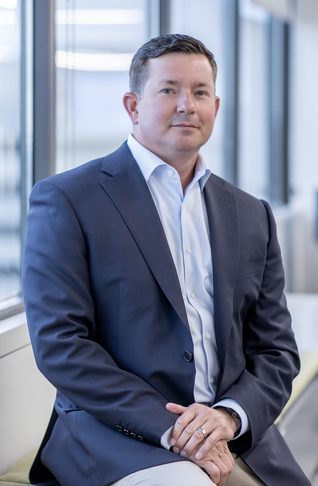
A Conversation with Jeremy Fisher, TVA’s Chief Business Officer and Executive Vice President
Jeremy Fisher is proud to be from a small town in Tennessee with the opportunity to make a positive impact for the region through service at TVA. A UTC marketing major turned TVA intern, he worked his way through IT, operations, and finance before becoming TVA’s Executive Vice President & Chief Business Officer, where he now leads TVA’s corporate planning and development, commercial, customer, economic development and government relations functions.
Growing up in Soddy-Daisy, TVA was simply part of home, and that sense of place still shapes how he leads. We sat down with Jeremy to learn more about his journey, his leadership, and TVA’s direction for the future.
CQC: TVA, a founding member of CQC, came about during the New Deal to bring power, flood control, and economic growth to the region. Nearly a century later, how do you see that original mission showing up in TVA’s work today?
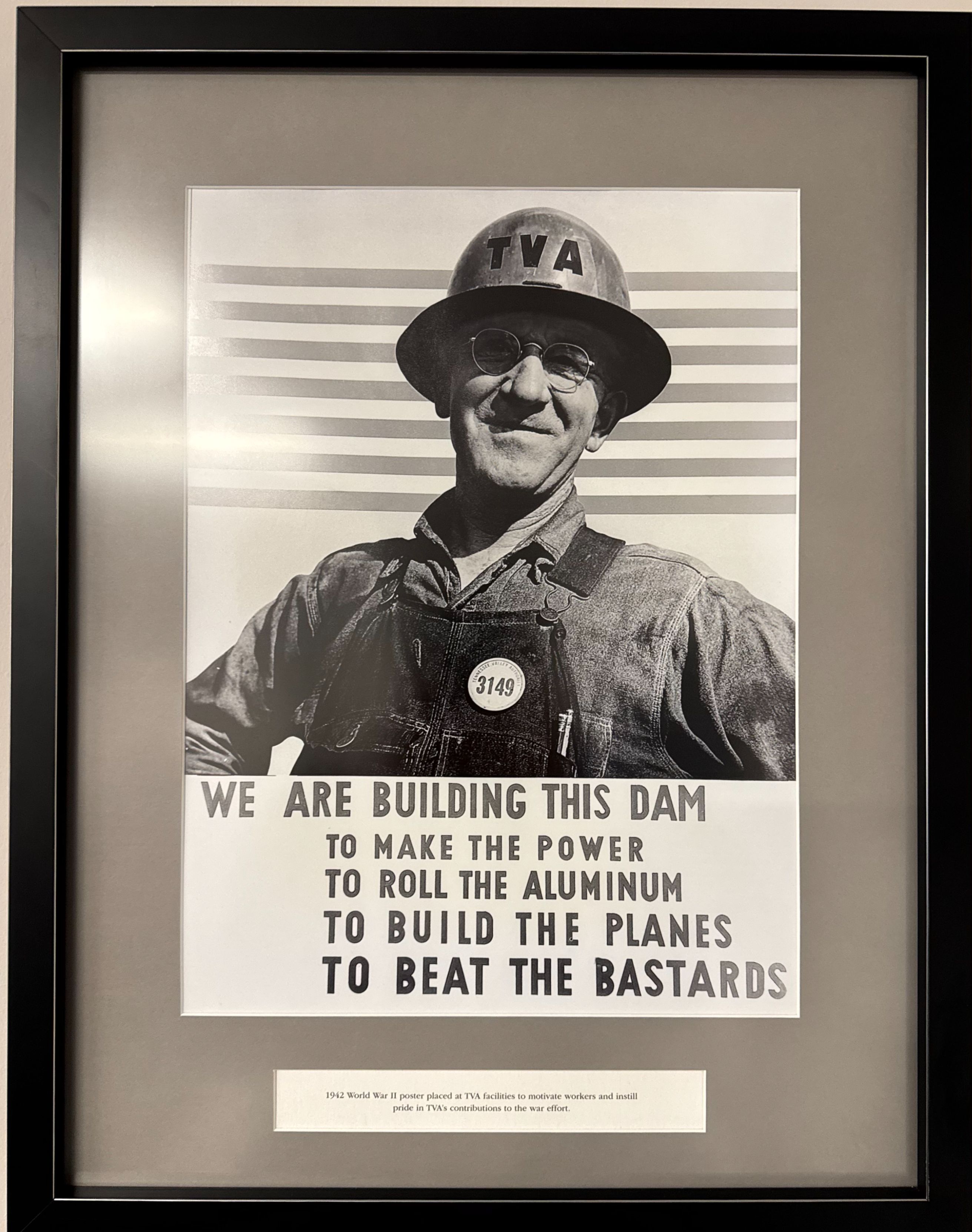
JF: TVA started by helping farmers whose land kept flooding. Managing the river system wasn’t just engineering, it was building economic stability and quality of life.
As the Valley shifted from agriculture to industry to today’s tech-driven economy, TVA evolved right along with it. During WWII, we helped power the work at Oak Ridge; later, we powered the industries that built the modern South.
What hasn’t changed is the mission: supporting the quality of life for people in this region. The tools look different now, but the purpose is the same.
CQC: When you think about TVA’s responsibilities now, what’s changed the most—and what hasn’t?
JF: The technology has changed dramatically, but the spirit of the work hasn’t.
We follow what I call the “kindergarten principle”: hold hands and cross the street together. We don’t want to guess what customers or local power companies need. Instead, we want to walk with them, listen, and build solutions side by side.
It keeps us grounded and ensures the technology we invest in actually serves people’s real needs.
CQC: Emerging technologies like quantum are getting more attention. What helps you decide which new tools are worth exploring?
JF: We do our best not to chase shiny objects. We rely on partners such as universities, our Innovation & Research team, Local Power Companies like EPB, industry collaborators, and even venture firms we’ve invested in to help us sort out what’s promising and what’s not ready yet.
CQC: As new technologies emerge, so do new workforce needs. How is TVA preparing for that shift?
JF: TVA may have more job variety than almost any organization. We have nuclear engineers, zoologists, welders, CPAs, and work with 17 different unions. Because the range is so broad, we zero in on a handful of priority skills and invest deeply.
ChattState’s radiological technician program (“Rad Tech”) is a great example of both the kindergarten principle of walking hand-in-hand and investing in building a talent pipeline that we need. Incidentally, over 90% of students who complete ChattState’s radiological technician get TVA job offers.
We’re also building pipelines for a variety of technical and engineering roles through partnerships with UTC, UTK, and others, because the need is only growing - especially as the Valley’s fleet and nuclear ecosystem expands
It’s all about preparing early so the Valley’s workforce can step into the future confidently.
CQC: Finally, what’s a common misconception about TVA that you wish more people understood?
JF: A lot of people don’t realize how different the public-power model is from an investor-owned utility (IOU). All utilities have to pay their debts, maintain and upgrade infrastructure. But what happens with any money that might be left over is the big difference.
IOUs have shareholders, and obviously they’re required to return profits to those shareholders. TVA doesn’t have shareholders in the traditional way, rather we have shareholders who are our customers. When we have a surplus, it goes back into the Valley: stronger systems, community programs, and investments that support long-term economic development.
So yes, we’re big and we’re federal, but we exist solely for the people of this region. That’s the heart of public power, and it’s a big part of what makes TVA different.
Connecting the Dots: Building the People Power Behind the Quantum Grid
A National Science Foundation grant is helping regional partners link research, workforce, and innovation to shape the future of secure energy systems.
The University of Tennessee at Chattanooga (UTC) has received a $1.33 million National Science Foundation planning grant to explore how quantum technology could strengthen and protect America’s power grid.
In partnership with EPB, CO.LAB, and CQC, UTC is leading the effort to design the nation’s first QuantumGrid Innovation Hub—a framework that connects advanced research, technical development, and workforce learning across the region.

Designing the Testbed
UTC and EPB will define what the QuantumGrid testbed needs to include—from the technologies that enable secure quantum communication and sensing to the research priorities that will guide future experimentation and demonstration. Using EPB’s infrastructure as a model, the team will identify how these quantum tools could one day be applied in real-world energy systems.
Building the Innovation Pipeline
While UTC and EPB focus on the technical foundation, CQC and CO.LAB will create an Innovation Pipeline to connect that research to new ideas and entrepreneurial activity. Through mechanisms like reverse pitches, hackathons, and design sprints, innovators will be invited to develop solutions that advance a quantum-enabled secure grid and address related industry challenges.
Building the Talent Pipeline
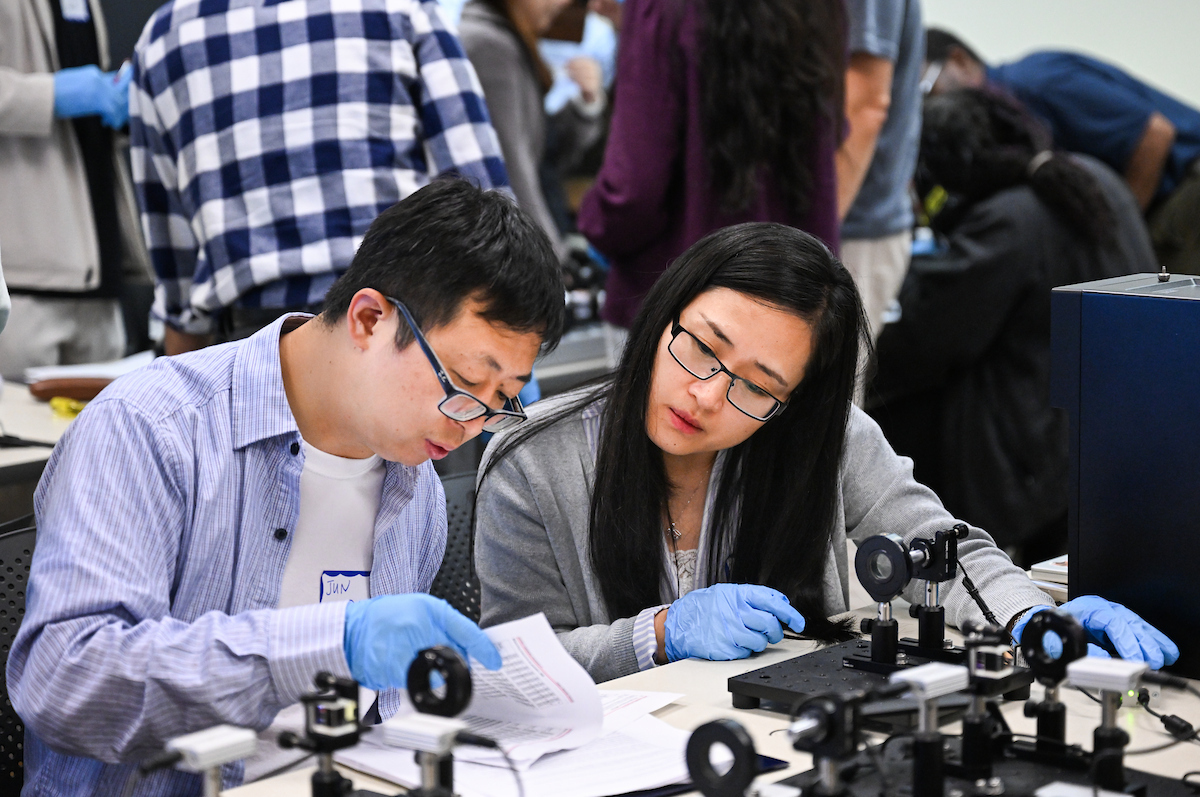
At the same time, partners are working to prepare the workforce that will support these advances.
- BuildWithin will launch a quantum pre-apprenticeship program, combining hands-on experience with credentials.
- Chattanooga State Community College will offer short courses and microcredentials in quantum-enabled cybersecurity and networking.
- K–12 teachers will take part in a summer program aimed at gaining a foundational understanding and confidence in quantum information science.
“These efforts bring together experts from every part of the equation—research, education, and industry,” said Charlie Brock, CEO of CQC. “It’s about connecting learning and discovery to real opportunities.”
The one-year grant will result in a technical roadmap for the testbed, an innovation strategy for accelerating quantum solutions, and a workforce plan that can be scaled across Tennessee and beyond—demonstrating how progress grows stronger when research, innovation, and people are connected from the start.
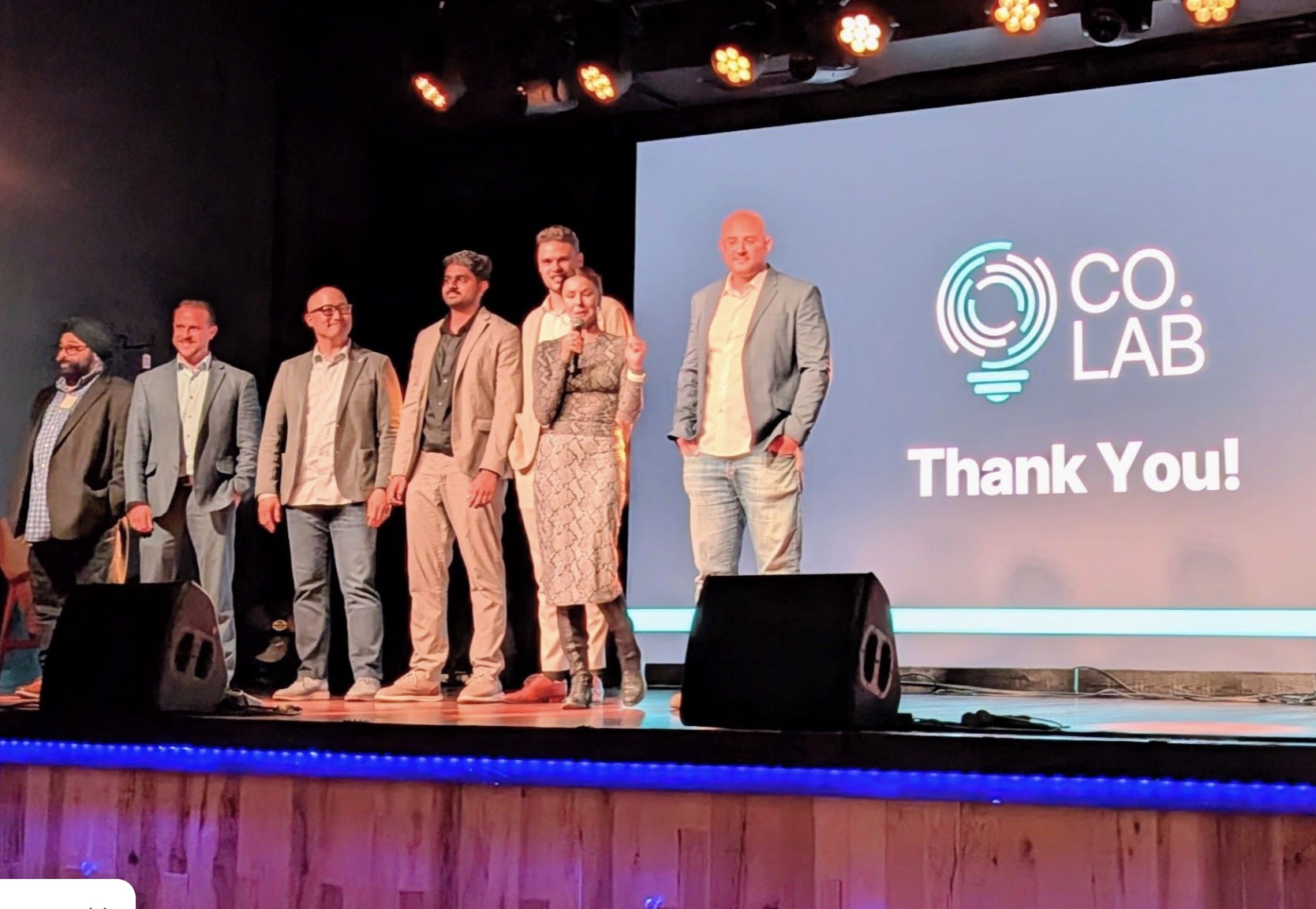
CO.LAB Welcomes Its First Quantum Startup
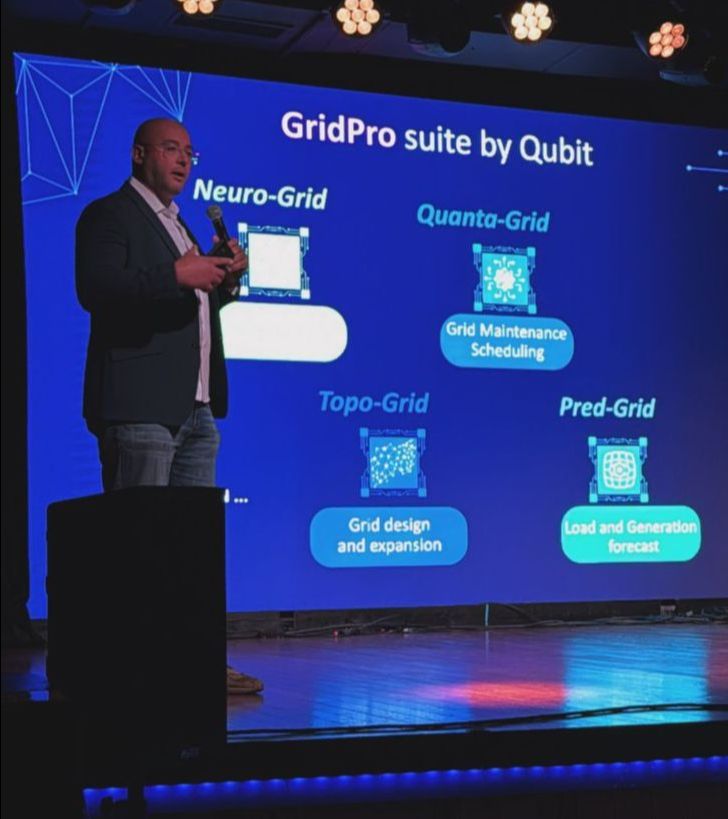
Qubit Engineering, a Knoxville-based startup, became the first quantum-focused company in CO.LAB’s accelerator.
The company uses quantum and quantum-inspired computing to optimize wind-farm and grid design—boosting efficiency and reducing energy waste.
Qubit Engineering’s participation shows how Tennessee’s strengths in energy and infrastructure make it a natural home for emerging quantum applications.
A Season for Reflection and Momentum
As the holiday season rolls in, it’s worth pausing to see how much ground we’ve covered. We have new research collaborations, new testbeds on the horizon, new pathways for students and workers, and a major new institute anchoring statewide momentum. None of it is neat or finished. Emerging technology never is, but the direction is unmistakable.
We’re grateful for everyone who contributed this year: researchers, educators, engineers, founders, investors, students, policymakers, and community partners. Progress doesn’t happen in one place or from one organization. It happens in the space between them.
Here’s to carrying this momentum forward, and to taking a moment to breathe before the next wave arrives.
Follow our progress on LinkedIn and X to stay connected to what’s next.
More Quantum Connects
Quantum Connect September 2026
Quantum Connect August 2026
Building Readiness with Intention
CQC Quantum Connect - Q4 2025

CQC Quantum Connect - Q3 2025

CQC Quantum Connect - Q2 2025

Q1 2025 - CQC Quantum Connect